Torn between room to breathe in Castle Pines and the convenience of south Denver? You are not alone. It is a real tradeoff between space, commute time, and lifestyle. In this guide, you will see how prices, housing types, commute patterns, and renovation options compare so you can pick the right fit with confidence. Let’s dive in.
Who each area fits
Castle Pines: space and newer homes
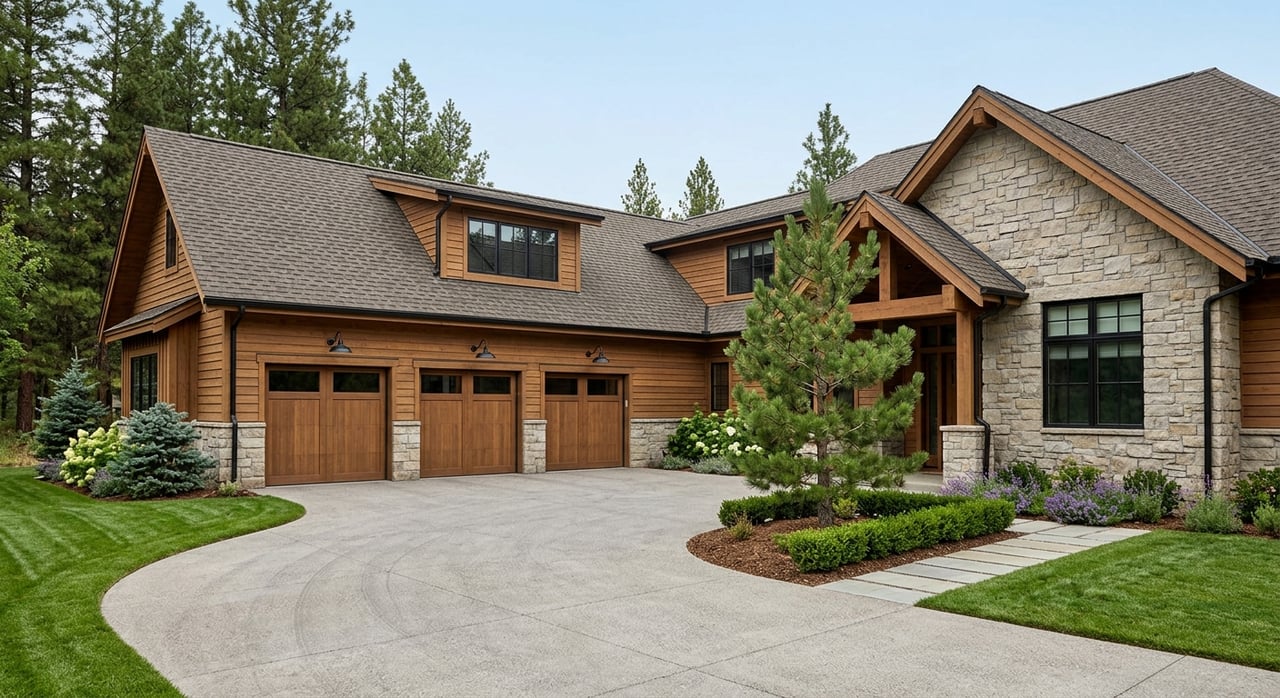
If you want newer construction, trail networks, and larger yards, Castle Pines is worth a close look. Many neighborhoods were built from the 1990s on, and there is ongoing new construction that offers warranties and modern layouts. The feel is suburban with open space and planned amenities.
Greenwood Village: short DTC commutes
If you work in the Denver Tech Center, Greenwood Village cuts drive times for many commuters. It blends single-family enclaves and estate pockets with townhomes and condos near DTC. Expect a wide price spectrum tied to lot size and product type.
South Denver neighborhoods: walkability and parks
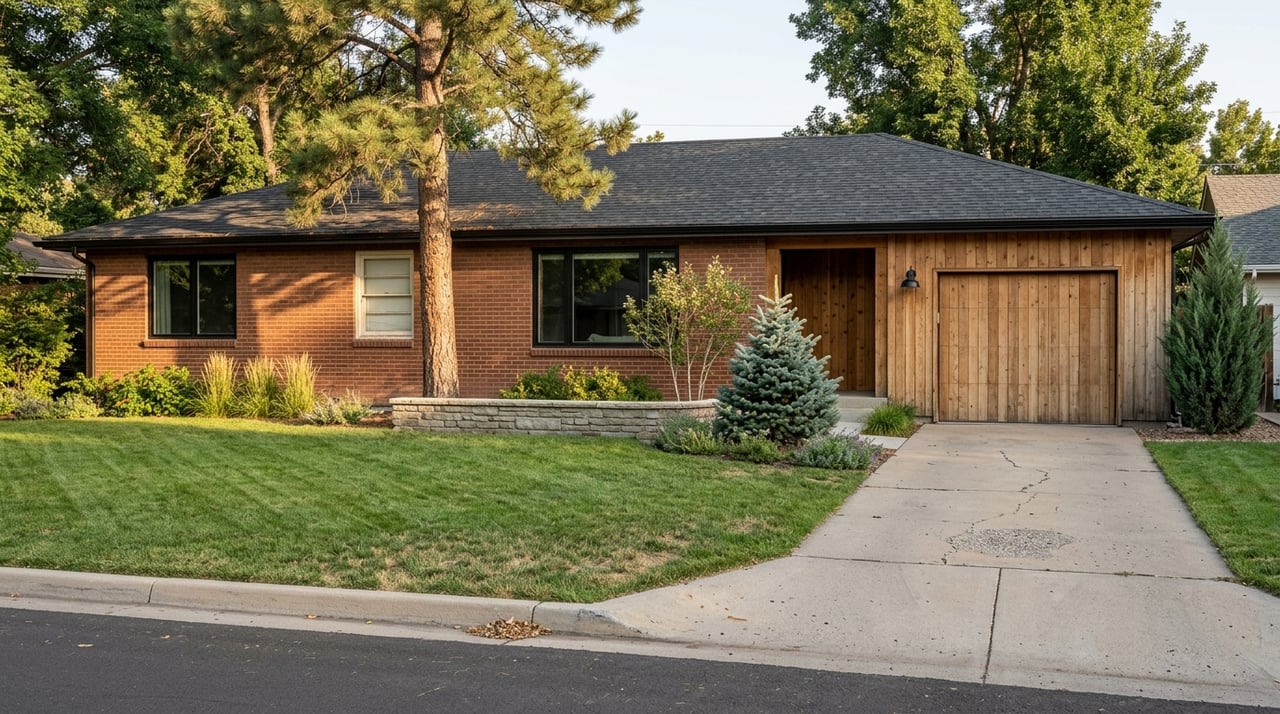
If you value walkability, quick access to downtown, and established streetscapes, consider Washington Park, Cherry Creek, or Platt Park. Homes are older on average, and many buyers renovate or rebuild to get modern function on smaller urban lots.
Price and value at a glance
- Castle Pines: A recent snapshot shows a median sale price around 822,000 dollars (Redfin, Jan 2026). Other sources that track typical values place many areas in the 800,000 to 1 million dollar band, depending on ZIP and product mix.
- Greenwood Village: Published medians in mid‑2025 to early‑2026 range from about 875,000 dollars at the ZIP level up to 1.3 to 1.5 million dollars depending on what is included. See a ZIP‑level view for 80111 to understand how product mix shifts the median (prop‑metrics ZIP 80111).
- South Denver neighborhoods: Washington Park, Cherry Creek, and nearby areas often command a premium price per square foot because lots are scarce and close to city hubs. Medians vary widely by block and housing type.
Why medians differ: publishers use different geographies and methods. Some report a monthly median sale price from MLS transactions, while others estimate a typical value index. Greenwood Village’s median can jump when large estate sales close, while Castle Pines data reflects a mix of new builds and resales. Always verify with a current, address‑level CMA before you write an offer.
What you get for your money
Castle Pines: newer master‑planned living
Castle Pines leans newer and master‑planned with neighborhoods built from the 1990s on. The Canyons, a major master plan by Shea Homes, highlights parks, trails, and an amenity village with gathering spaces and a pool. You can preview the amenity-forward concept in the builder’s overview of The Canyons in Castle Pines.
Lot sizes span a spectrum. You will see conventional suburban lots in many subdivisions and larger parcels in gated or custom sections. Custom homes and estate pockets exist, but the day‑to‑day options skew to recent models with energy‑efficient systems and open layouts.
Greenwood Village: mixed stock and lot sizes
Greenwood Village offers mid‑century single‑family streets, large‑lot enclaves, and attached housing near DTC. Expect a sharp contrast between estate‑lot pockets and compact, low‑maintenance condos and townhomes. Most new single‑family product here is infill or teardown‑and‑rebuild rather than large tracts of new lots.
South Denver neighborhoods: older homes, frequent updates
Washington Park, Cherry Creek, and Platt Park feature early‑to‑mid 20th‑century homes, with frequent renovations where buyers want modern kitchens, larger primary suites, and open main levels. Lots are smaller than in the suburbs, and buyers trade yard size for location and walkability.
Commute and transportation
- Castle Pines: The city’s mean travel time to work sits in the high‑20s minutes, roughly 26 to 27 minutes on average (U.S. Census QuickFacts). Drives to DTC can be reasonable in light traffic but vary at peak. Test your route during AM and PM rush.
- Greenwood Village: Mean travel time is about 20 minutes, reflecting proximity to DTC and strong highway and transit access (U.S. Census QuickFacts). The RTD Southeast light‑rail corridor serves the area, which helps if you prefer transit for part of the week.
- South Denver neighborhoods: These areas shorten trips to downtown and central destinations. You can often bike or take short transit links, though jobs in DTC may still require a cross‑town drive.
Lifestyle, parks, and schools
Castle Pines: trails and a resort‑suburban feel
Buyers choose Castle Pines for trail networks, community amenities, and a quiet suburban setting. The Canyons highlights parks, paths, and a central gathering spot that includes a coffee house and pool, which suits a low‑maintenance, active lifestyle. For local services and address‑level school info, use the city’s community information page, and always verify attendance areas directly with the district.
Greenwood Village: open space and connectivity
Greenwood Village emphasizes parks, preserved open space, and access to regional trails like the High Line Canal. The city notes about 40 miles of municipal trails, which supports a daily routine of walking and cycling near employment centers. Explore the city’s parks and trails updates for a feel of ongoing improvements.
Most of Greenwood Village is served by Cherry Creek School District. Boundaries can be complex at the parcel level, so confirm the specific assignment for any property you tour.
South Denver neighborhoods: walkable and park‑centric
Neighborhoods like Washington Park and Cherry Creek balance residential streets, neighborhood retail nodes, and large parks. Washington Park itself draws many buyers who want recreation close to home. See the city’s Washington Park project page for current amenities and plans.
Renovation vs. new build
Castle Pines: more new‑build options
If you want a new home with modern systems and builder warranties, Castle Pines has a deeper pipeline of production homes. Communities like The Canyons offer predictable pricing, energy‑efficient construction, and defined timelines that reduce surprises.
Greenwood Village and south Denver: infill and teardowns
Closer‑in areas have limited greenfield land. New single‑family homes often come from teardown‑and‑rebuild or small infill projects, while attached housing near DTC continues to infill. A past example of land repurposed for residential helps illustrate the pattern of infill over expansion (BusinessDen coverage).
Costs, timelines, and likely returns
- Renovation ROI: Many exterior, curb‑appeal updates and midrange projects tend to recoup a higher share of cost than large upscale overhauls, based on Remodeling Magazine’s latest Cost vs. Value analysis. Review the regional benchmarks to set expectations for common projects (Cost vs Value 2025).
- Build costs: In Colorado and the Mountain West, production builds commonly start in the low hundreds per square foot and rise with finish level and site complexity. Custom infill can climb higher due to demolition, grading, utilities, and permitting. National compilations place a broad range around 150 to 350+ dollars per square foot depending on scope and site (Autodesk overview).
- Time and soft costs: Infill builds add demo, permitting, and holding costs to the schedule. Production communities tend to bundle these into the price and deliver more time certainty. If you are eyeing a teardown or major renovation, get a contractor walkthrough and a written estimate early.
Key checks before you decide
- Drive your exact commute during peak hours in both directions on different weekdays.
- Confirm address‑level school boundaries directly with the district before you make plans.
- Verify HOA rules, fees, and design guidelines, especially for exterior changes and future additions.
- For renovations or teardowns, get a contractor estimate that includes structural, systems, and site work. Add contingency for unknowns.
- For a new build, ask the builder for lot‑specific site costs, included specs, and warranty terms.
- Request an up‑to‑date CMA with on‑market and sold comps matched by location, product type, and condition. Numbers move month to month and product mix can skew medians.
Ready for a local walkthrough?
If you want help weighing space, commute, and renovation costs side by side, you can get contractor‑backed advice and a clear plan. As a boutique brokerage with hands‑on construction experience, we can price new builds vs. renovations, pull a clean CMA, and, for sellers, front improvements through our Concierge Program to maximize resale. Start with a quick consult from Jeff Piquette and get a plan you can trust.
FAQs
What are typical home prices in Castle Pines?
- Recent snapshots place the median sale price near 822,000 dollars (Redfin, Jan 2026), with many areas ranging from 800,000 to 1 million dollars depending on ZIP and new‑build mix; confirm with a current CMA for your address.
How do Greenwood Village prices compare to Castle Pines?
- Greenwood Village shows higher medians overall, from roughly 875,000 dollars at the ZIP level up to 1.3 to 1.5 million dollars depending on product mix and date, per public data sources like prop‑metrics; estates and large lots push medians up.
Which area is best for a DTC commute?
- Greenwood Village often delivers shorter DTC commutes, with an average travel time around 20 minutes (U.S. Census QuickFacts); Castle Pines commutes can be longer, averaging about 26 to 27 minutes citywide.
What lifestyle tradeoffs should I expect?
- Castle Pines offers larger yards, newer homes, and master‑planned amenities; south Denver neighborhoods trade yard size for walkability and quick access to downtown; Greenwood Village blends suburban streets with proximity to DTC and regional trails.
Is it easier to buy new construction in Castle Pines?
- Yes, Castle Pines has more production new‑build options and master‑planned communities, while closer‑in areas rely more on infill, renovation, and teardown‑and‑rebuild opportunities.
How should I budget for renovation or a teardown?
- Use regional ROI benchmarks for likely payback on common projects (Cost vs. Value 2025) and plan build costs in the 150 to 350+ dollars per square foot range depending on finish and site; add time for demo, permits, utilities, and contingencies.
How do schools factor into my decision?
- Castle Pines is served by Douglas County School District and much of Greenwood Village by Cherry Creek School District; always confirm address‑level boundaries directly with the district before you rely on any map or listing.