If you are getting ready to sell a large home in Cherry Hills Village, preparation can have a bigger impact than most owners expect. In an estate-lot market, buyers are not just evaluating your floor plan or finishes. They are also noticing how the home sits on the lot, how the grounds feel from the street, and whether the property looks well maintained at every scale. The good news is that a thoughtful plan can help you focus on the work that matters most, avoid costly detours, and enter the market with more confidence. Let’s dive in.
Why prep matters in Cherry Hills Village
Cherry Hills Village is a distinct market shaped by large lots, generous setbacks, and homes that are spaced farther apart than in many other Denver-area neighborhoods. According to the city’s residential development standards materials, lot size and the relationship between the house and the site are part of the overall visual standard buyers are likely to notice.
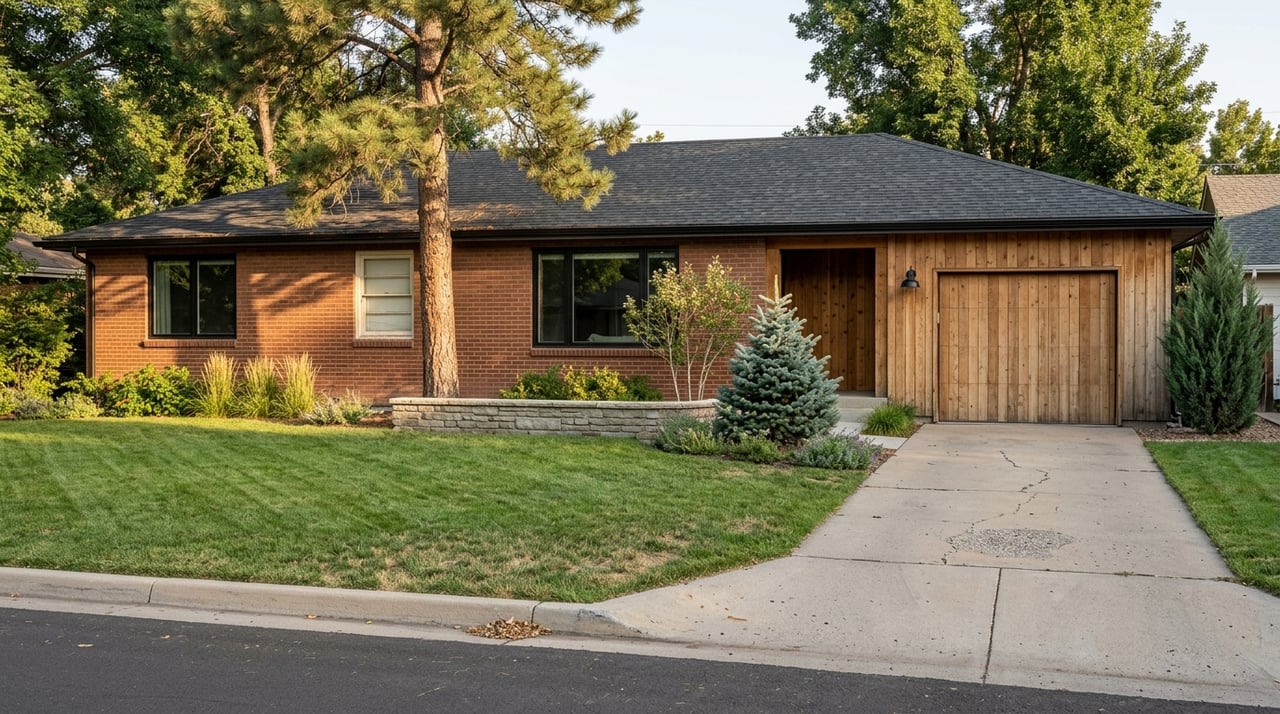
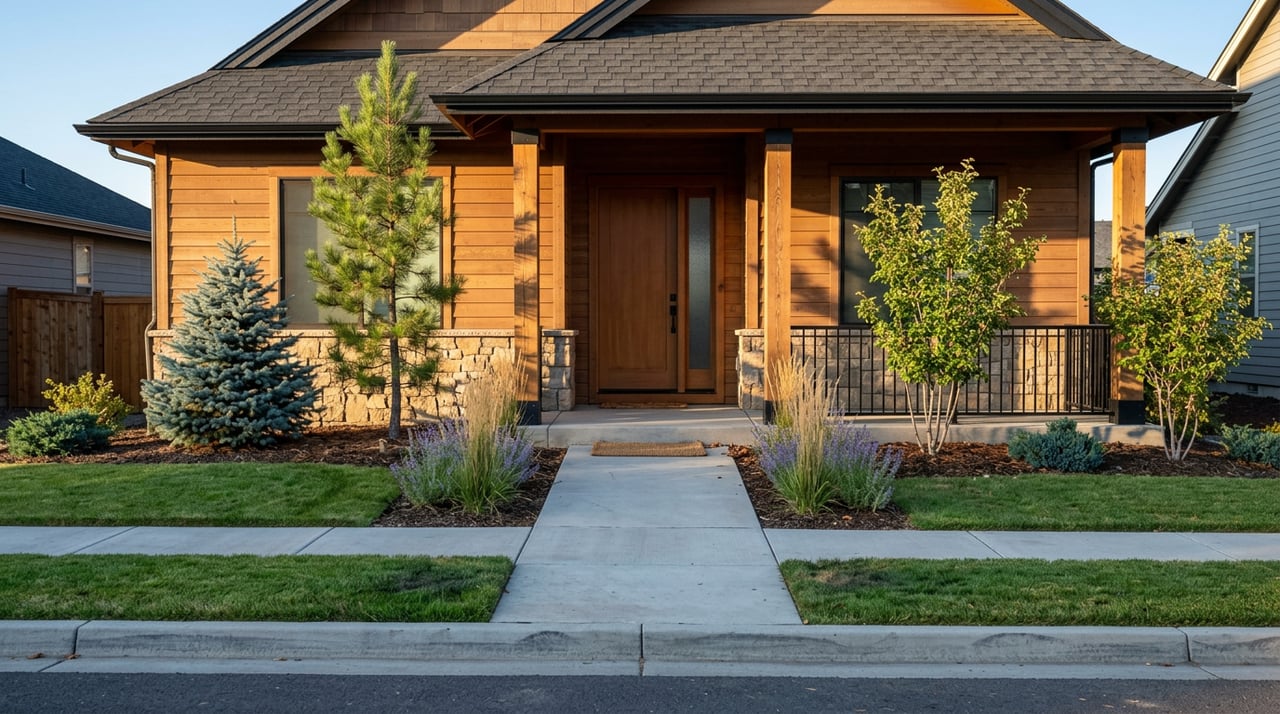
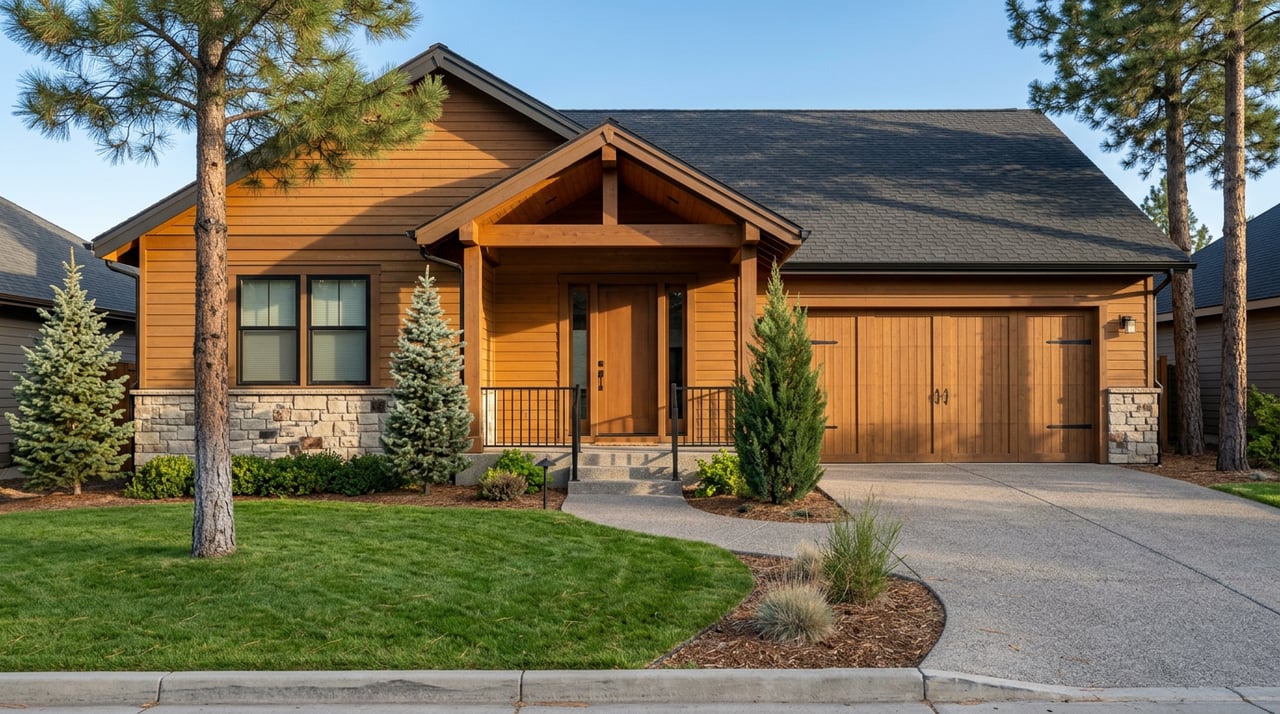
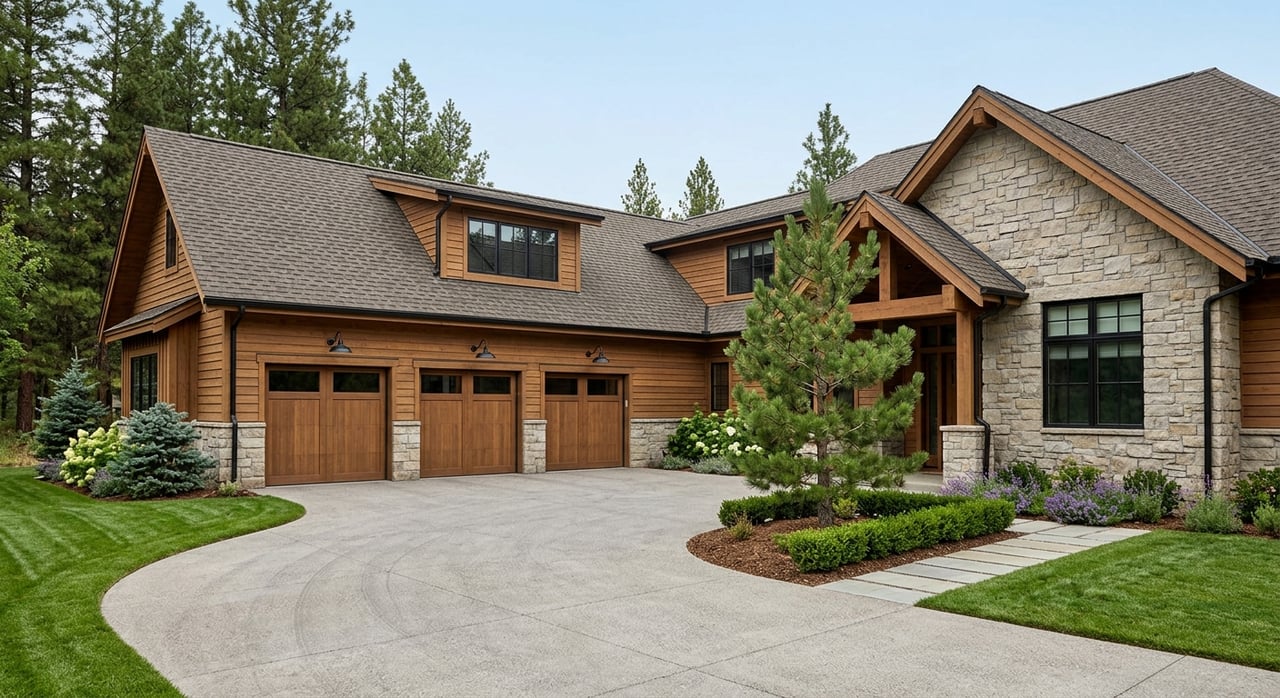
That matters because a large home here is never judged in isolation. Buyers are taking in the driveway approach, tree canopy, lawn and planting condition, drainage, and whether the structure feels proportionate and cared for on the lot. In a setting like Cherry Hills Village, exterior presentation is part of the product.
The timing also matters. Public data points to a high-end market where pricing and condition carry real weight. Zillow reported a Cherry Hills Village home-value index of $3,182,803 and a median list price of $3,280,500 as of March 31, 2026, while broader luxury reporting noted that buyers in the $1M+ segment were taking more time and homes above $2M had 4.97 months of inventory. In that kind of market, solid preparation can help reduce friction when buyers compare options.
Start with condition, not cosmetics
When you prepare a larger property for sale, it is easy to get distracted by decorative updates. In most cases, the better first move is to understand the home’s actual condition. A pre-listing inspection guide from NAR notes that inspectors may review the structure, exterior, roof, plumbing, electrical systems, heating and air conditioning, interiors, insulation, ventilation, and fireplaces.
For a home of this size, a pre-listing inspection can be especially useful because it gives you more control over timing and repair decisions. It can also help you prepare for buyer questions before they become negotiation leverage. If issues are going to surface, it is usually better to uncover them on your own schedule.
In practical terms, your first repair dollars often belong in these areas:
- Moisture and drainage issues
- Roof concerns
- HVAC performance and deferred servicing
- Electrical and plumbing repairs
- Safety items such as smoke and carbon monoxide detectors
- Visible structural or foundation concerns
That approach fits both the inspection guidance and the current luxury-market pace. When buyers are moving carefully, visible maintenance gaps can carry more weight than they might in a faster market.
Focus on landscape and exterior readiness
In Cherry Hills Village, curb appeal is not just a front-door exercise. It is site management, visibility, and overall landscape health across a much larger footprint. The city states that property owners are responsible for trimming trees and limbs in the public right-of-way, and vegetation that blocks visibility or creates a safety risk may be treated as a nuisance under local rules. You can review those requirements on the city’s trees and limbs page.
That means basic readiness should usually include pruning, line-of-sight cleanup, and edge-of-street maintenance. These are not small details on a large lot. They shape the first impression before a buyer even reaches the front entry.
For many sellers, the best exterior prep plan starts with fundamentals rather than dramatic redesign. Often that includes:
- Irrigation review
- Pruning and removal of dead growth
- Mulch refresh
- Replacing stressed or dead plant material
- Correcting drainage trouble spots
- Repairing worn hardscape areas where needed
This kind of work aligns well with Colorado conditions. Denver Water’s xeriscape guidance highlights plants that are native and adaptable to the region’s semi-arid climate, while CSU Extension recommendations referenced in the research support right-plant, right-place planning, grouping by water need, and accounting for wind, sun, and mature plant size.
If your current landscape is tired, buyers do not necessarily need a fully reimagined yard. They usually need to see that the grounds are healthy, coherent, and manageable.
Know when permits and timelines come into play
One of the biggest mistakes sellers make is assuming all prep work can happen quickly. In Cherry Hills Village, exterior and site work can trigger rules that affect timing and coordination. The city states that construction or landscaping projects disturbing more than 500 square feet of property and 10 cubic feet of soil must follow construction staging and site-maintenance requirements. Depending on the scope, dumpsters and materials may need screening, silt fencing may be required, and work hours are limited.
For larger projects, more review may be needed. The city’s new construction and major addition requirements note that tree surveys, tree-protection plans, drainage submissions, stormwater documentation, and right-of-way materials may apply, and permit review can take 10 business days per review cycle.
The takeaway is simple: if your home needs meaningful exterior work, drainage correction, or permit-triggering changes, think in months, not weeks. That kind of planning can help you avoid rushing into market before the property is truly ready.
Stage the rooms buyers remember most
Staging matters in every market, but it can be especially important in large homes where scale can work against you. According to NAR’s 2025 staging snapshot, 83% of buyers’ agents said staging made it easier for a buyer to visualize the property as a future home. The rooms most commonly staged were the living room, primary bedroom, and dining room.
That is a useful guide for Cherry Hills Village sellers. In an estate-style home, the goal is not to furnish every square foot. The goal is to clearly define the largest and most visible spaces so they feel intentional in photos and in person.
Priority staging usually includes:
- Main living room
- Primary bedroom
- Dining room
- Entry sequence if it feels oversized or undefined
- Any major bonus space that needs a clear purpose
Oversized rooms can feel unresolved when they are empty or lightly furnished. Thoughtful staging scaled to the room size helps buyers understand how the home lives, which is especially important in online marketing where first impressions happen on a screen.
Build a documentation package
For a larger home, buyers often want evidence that systems and improvements have been handled responsibly. A polished house helps, but good documentation builds trust. After your inspection and repair phase, it is smart to assemble records such as:
- Pre-listing inspection reports
- Contractor invoices and receipts
- Service records for HVAC or major systems
- Warranty details when available
- Before-and-after photos of completed work
This supports a simple but important message: the home has been cared for. In a slower luxury segment, that kind of clarity can help buyers feel more comfortable moving forward.
Use one coordinator for better control
Estate-scale prep usually involves multiple moving parts. You may have landscapers, painters, inspectors, stagers, cleaners, handymen, and specialty contractors all operating on different timelines. In Cherry Hills Village, local building and staging requirements add another layer of logistics. The city’s Building Division oversees construction documents and on-site work, which reinforces the value of clear project management.
This is where a single point of coordination can make a meaningful difference. When one person oversees scope, sequencing, bids, deadlines, and quality control, your preparation is less likely to stall or drift off budget. That is especially valuable when your goal is to launch into the market at the right moment, not simply finish a checklist.
For sellers who want to improve presentation without paying all costs up front, that project oversight can pair well with a structured pre-listing plan. Iron Works Realty’s Concierge Program is designed to help with pre-listing repairs and staging, with repayment at closing, which can be useful when a large property needs work before it is market-ready.
A practical prep plan for sellers
If you want a simple framework, this is often the right order for preparing a large Cherry Hills Village home for market:
- Assess condition first with a pre-listing inspection and walk-through.
- Prioritize repairs that affect structure, systems, drainage, safety, and buyer confidence.
- Refresh the exterior with pruning, cleanup, irrigation review, mulch, and targeted plant replacement.
- Check permit needs before starting any larger site or landscaping work.
- Stage key rooms that carry the listing visually.
- Organize documentation for completed work and ongoing maintenance.
- Launch with intention once the home, grounds, and marketing are aligned.
This order helps you spend where it counts and reduces the chance of cosmetic work getting ahead of necessary repairs.
Final thoughts on selling well
Preparing a large Cherry Hills Village home for market is part real estate strategy and part project management. In a market where buyers are paying close attention to condition, scale, and value, the homes that stand out are usually the ones that feel well maintained, well planned, and well presented.
If you want help building that plan, coordinating improvements, or deciding which projects are worth doing before you list, Jeff Piquette brings contractor-backed brokerage guidance, hands-on oversight, and a practical approach tailored to higher-stakes homes.
FAQs
How should you prioritize repairs before selling a large Cherry Hills Village home?
- Start with inspection-driven issues involving moisture, drainage, roof condition, HVAC, electrical, plumbing, structural concerns, and safety items before spending on decorative upgrades.
What exterior work matters most for a Cherry Hills Village listing?
- The most important exterior tasks usually include tree and limb pruning, visibility cleanup, irrigation review, mulch refresh, dead-plant replacement, and fixing drainage or hardscape issues that affect first impressions.
Do landscaping projects in Cherry Hills Village require permits or extra review?
- Some do. The city states that larger landscaping or construction work can trigger staging, site-maintenance, drainage, stormwater, and tree-protection requirements depending on the scope.
Is staging worth it for a large luxury home in Cherry Hills Village?
- Yes. NAR data shows staging helps buyers visualize a property, and in larger homes it is especially useful for defining oversized spaces like the living room, primary bedroom, and dining room.
How long should you allow to prepare a large Cherry Hills Village home for sale?
- If your property needs meaningful repairs, exterior improvements, or permit-triggering work, it is smarter to plan in months rather than weeks so you can complete the work properly and launch at the right time.