Do you love clean lines, big windows, and easy indoor‑outdoor flow, but do not want a house that feels like everyone else’s? South Denver’s midcentury and ranch homes might be your sweet spot. You get classic design, practical single‑story living, and access to parks, shops, and key corridors. In this guide, you will learn what these homes look like, how they live, what to inspect, and how to plan smart updates that protect both character and budget. Let’s dive in.
Why south Denver fits MCM living
South and southeast Denver grew fast from the mid‑1940s through the 1960s. That timing is why you see so many ranch and Midcentury Modern homes in places like Virginia Village and Cory‑Merrill, along with nearby pockets toward Cherry Creek and University Hills. Many blocks have tree‑lined streets and rectangular lots that feel comfortable without being oversized.
You are close to local shopping corridors, parks, and trails. The Cherry Creek Trail and other city parks are regular weekend staples, and many homes sit within a short drive of downtown and I‑25 or Colorado Boulevard. Transit options vary by exact address, so you will want to check a specific home’s access and commute.
If you want to verify neighborhood boundaries, zoning, or permits, start with the City & County of Denver’s official guidance and maps. That is the best source for local rules and project approvals.
What these homes look like
Most homes you will tour were built between 1945 and 1969. The two most common styles are the classic ranch and more distinct Midcentury Modern variants, sometimes with split‑level layouts or post‑and‑beam details.
Exterior character
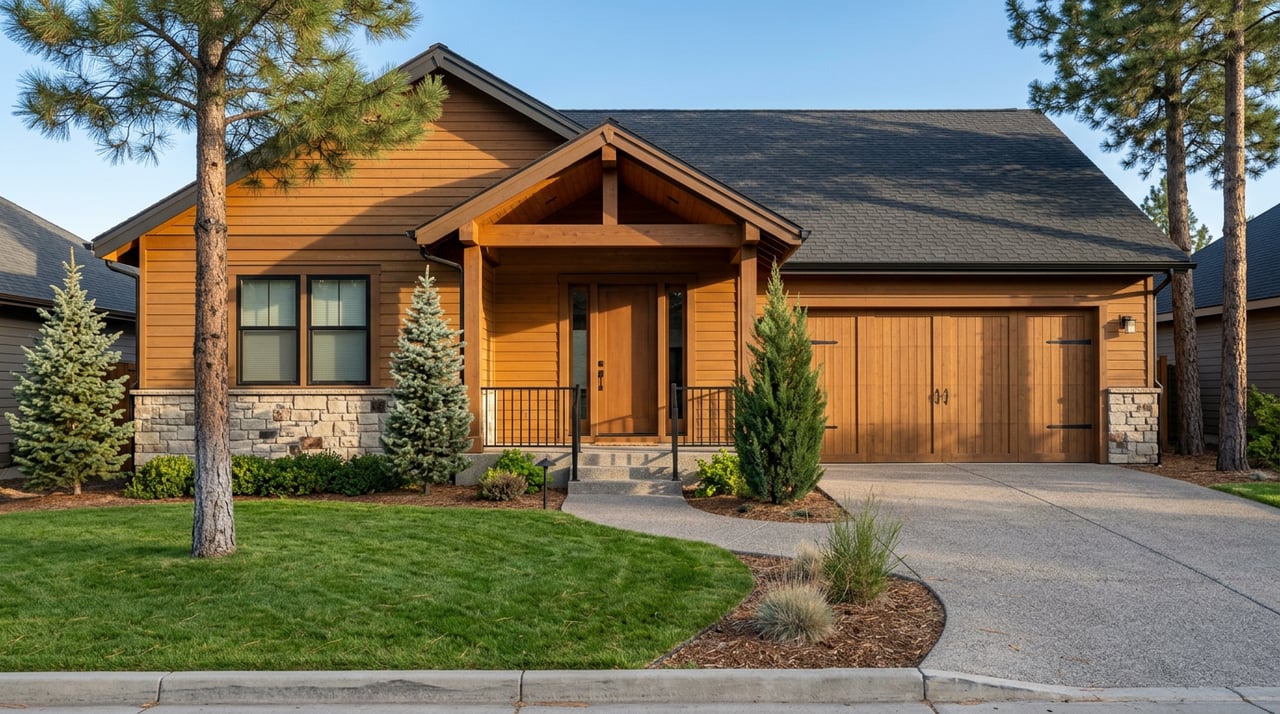
Expect low‑pitched gable or hipped roofs with broad eaves. Many facades include large picture windows that bring in light, plus attached garages or carports. Common materials include brick, wood siding, and masonry. You may see original single‑pane windows on homes that are less updated.
Floorplans and flow
Ranch homes are typically single story with a linear or L‑shaped plan. Living rooms sit near the front, with kitchen and dining toward the rear, and bedrooms grouped along a central hall. Split‑levels add a short flight up or down to extra living space. Many homes have basements or partial basements that started as utility or storage areas and were finished later.
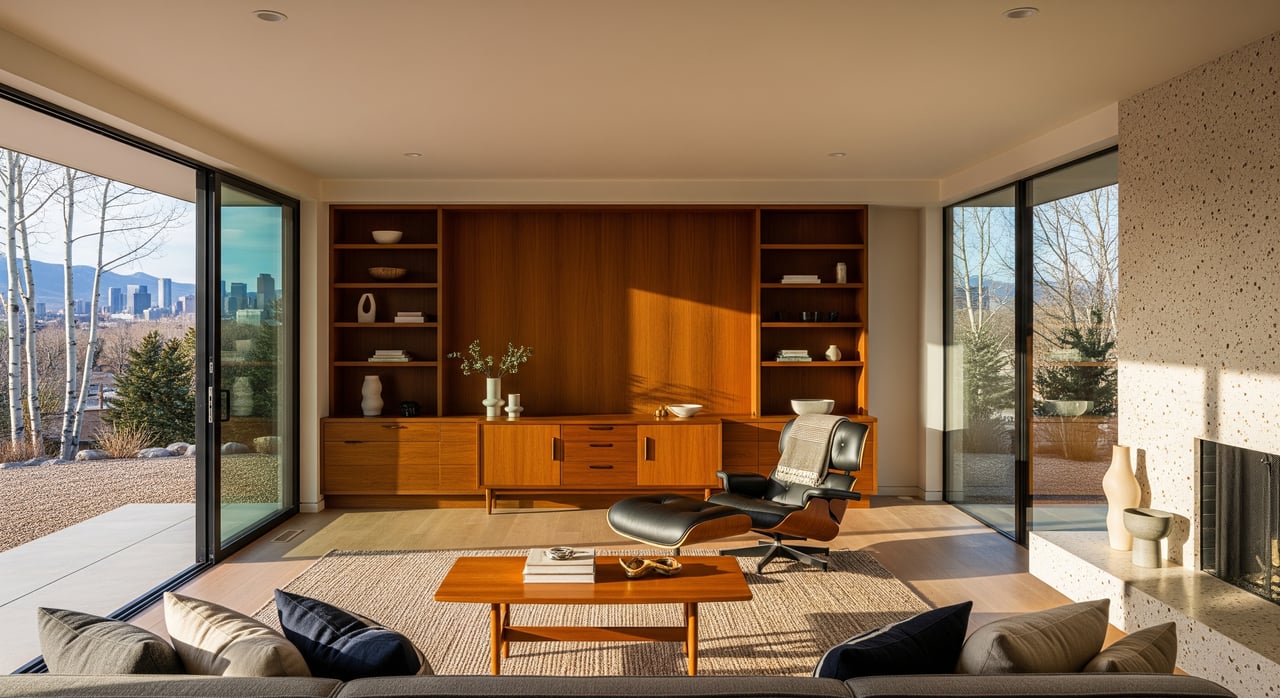
Ceiling heights often run about 8 feet. Some MCM examples raise or vault the living room for drama and light. Built‑in shelving or media walls are a common original feature and add a lot of character.
Interior finishes
You will often find original hardwood floors, plaster or drywall walls, and modest galley kitchens by today’s standards. Bathrooms tend to be compact. Many homes did not include central air when built, so HVAC systems are a frequent upgrade.
Why design‑minded buyers look here
Midcentury homes offer simple lines, big windows, and a strong indoor‑outdoor connection. Single‑story living appeals if you want fewer stairs. Renovated examples usually keep the proportions and window rhythm that make MCM special while updating kitchens and baths for daily life.
Renovation potential and watch‑outs
These houses are great candidates for thoughtful updates. As you plan, keep an eye on age‑related issues that are common in postwar construction.
Common issues in postwar homes
- Foundations and soils: Parts of Denver have expansive clays. Small cracks, mildly uneven floors, or doors that bind should be evaluated, and larger movement calls for a structural engineer. The Colorado Geological Survey is a good place to learn about regional soils.
- Roofs and drainage: Original roofs may be at the end of life. Proper grading and downspouts help keep water out of shallow basements.
- Hazardous materials: Homes built before 1978 may have lead‑based paint. Midcentury houses can also include asbestos in some flooring, mastic, or joint compound. Learn the basics from the EPA’s lead guidance and the Colorado Department of Public Health’s asbestos resources.
- Energy and windows: Single‑pane windows reduce efficiency. Replacements improve comfort, but try to respect original proportions to keep the MCM look.
- Mechanical, electrical, plumbing: Older panels may be 100A service, which can be tight for modern loads. Many homes lack original central AC. Plumbing types vary by era and past work.
Popular updates that respect character
- Open the kitchen to living or dining while keeping large window sight lines intact.
- Expand or reconfigure bathrooms to add function without overbuilding.
- Add a modest rear addition for a primary suite or family room, which preserves the street view.
- Finish the basement as a media room, guest suite, or office to add usable space at a lower cost per square foot.
- Invest in energy upgrades like insulation, efficient HVAC, and LED lighting, and choose window solutions that maintain the original rhythm.
Permits, zoning, and ADUs
Most structural changes, additions, basement finishes, and major system upgrades require permits. Rules around accessory dwelling units and other “missing‑middle” options vary by parcel and zoning. Always verify current requirements on the City & County of Denver permitting pages before you budget or design.
If a home sits in a historic or overlay district, design review may guide exterior changes. Neighborhood associations can offer additional context on character and standards.
Living day to day in a midcentury home
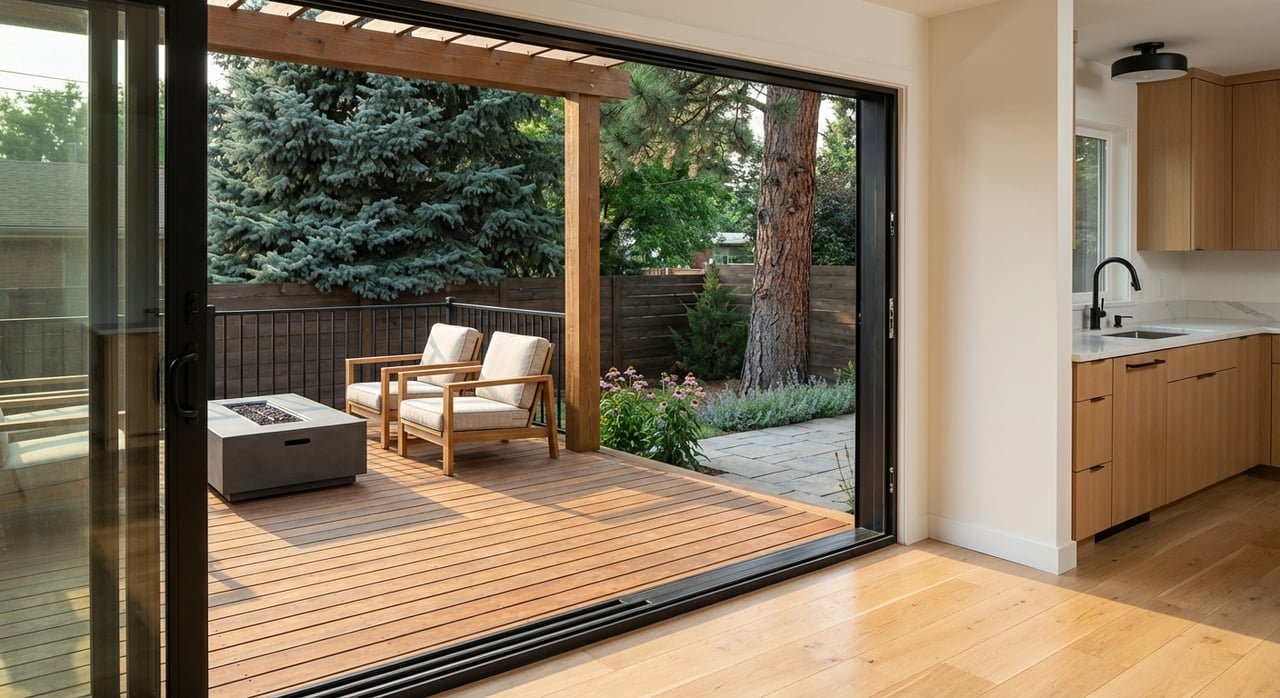
Backyards and patios are central to how these homes live. Many lots have mature trees and level lawns that are easy to use. You get privacy from interior orientation and landscaping, though homes near arterial roads may have more traffic noise.
Closet space and garages are often modest compared with newer construction. Plan storage smartly and consider built‑ins that match the home’s era. Natural light is a highlight, with living rooms centered on large front windows and kitchens that often look out to the backyard.
A practical buying checklist
Before you write an offer, do a quick scan of condition and history, then bring in specialists where needed. Use this list as a starting point.
Pre‑offer reconnaissance
- Check roof age, siding condition, and grading at the foundation.
- Ask for permit history for any renovations or major system work.
- Review the seller’s disclosure for past water intrusion or known issues.
Inspection focus areas
- Foundation and slab: visible cracks or signs of movement.
- Basement and crawlspace: moisture, staining, and sump pump condition.
- Roof and gutters: age, flashing, and any sagging.
- Windows and doors: original versus replacements, signs of rot.
- HVAC: furnace and AC age and service history.
- Electrical: panel capacity and any outdated wiring.
- Plumbing: pipe materials, water pressure, leaks, and sewer scope where appropriate.
- Hazardous materials: test for lead paint and suspect asbestos before demolition. For radon testing and mitigation basics, see CDPHE radon resources.
- Insulation and air sealing: attic levels and drafts.
- Additions and alterations: confirm permits and code compliance.
Key questions for the listing agent or seller
- Which renovations were permitted and who performed the work?
- Any drainage problems or past mold remediation?
- How old are the roof, water heater, furnace, AC, and sewer line?
- Has radon testing been done, and will the seller allow testing if not?
Protecting midcentury character
If you value authenticity, preserve original built‑ins, hardwoods, and window proportions when you update. That is what design‑minded buyers look for at resale. The National Trust for Historic Preservation offers accessible overviews of midcentury design principles that can guide choices. For a primer on preservation thinking, see the National Trust’s resources.
Window changes draw the eye, so choose replacements or restoration strategies that match the original scale. Thoughtful fixtures, warm wood tones, and clean profiles keep the spirit of the home while adding modern function.
How Iron Works Realty helps
You deserve advice that covers both the house you see and the work it may need. Iron Works Realty blends licensed contracting knowledge with boutique brokerage service, which means you get practical renovation scope, timeline, and cost inputs before you commit.
If you are buying, we help you evaluate structure, systems, and layout potential, and we coordinate the right inspections. If you are selling, our no‑up‑front‑cost Concierge Program manages pre‑listing repairs and staging so you can maximize your proceeds at closing. If you are investing, we provide renovation‑ready analysis that includes zoning checks and pro forma support.
Ready to explore midcentury living in Virginia Village, Cory‑Merrill, and nearby south Denver enclaves? Connect with Jeff Piquette to request a contractor‑backed consultation.
FAQs
What defines a midcentury modern home in south Denver?
- Most were built from the mid‑1940s to the late 1960s, with low rooflines, large windows, simple forms, and indoor‑outdoor connections that suit single‑story living.
Are Denver ranch basements safe to finish?
- Often yes, but first check for moisture, foundation cracks, insulation needs, and ventilation, then waterproof as needed before finishing.
How do permits work for additions or basement finishes?
- Structural changes, additions, and major MEP work typically require permits, so verify current steps and timelines on the City & County of Denver permitting pages.
Will replacing windows hurt midcentury character?
- It can if proportions change, so select replacements that match the original rhythm or consider restoring original frames with storm options for efficiency.
What hazardous materials are common in these homes?
- Pre‑1978 homes may have lead paint, and some midcentury materials can include asbestos, so plan testing and follow EPA and state guidelines during renovations.