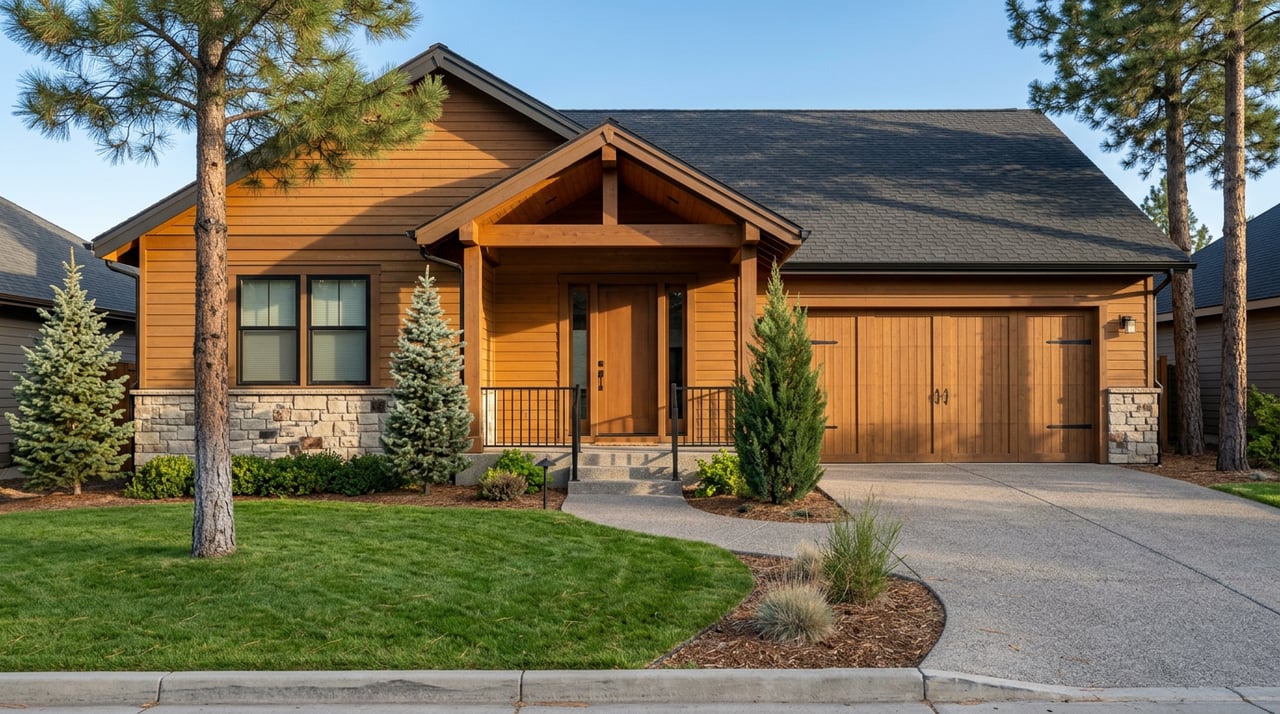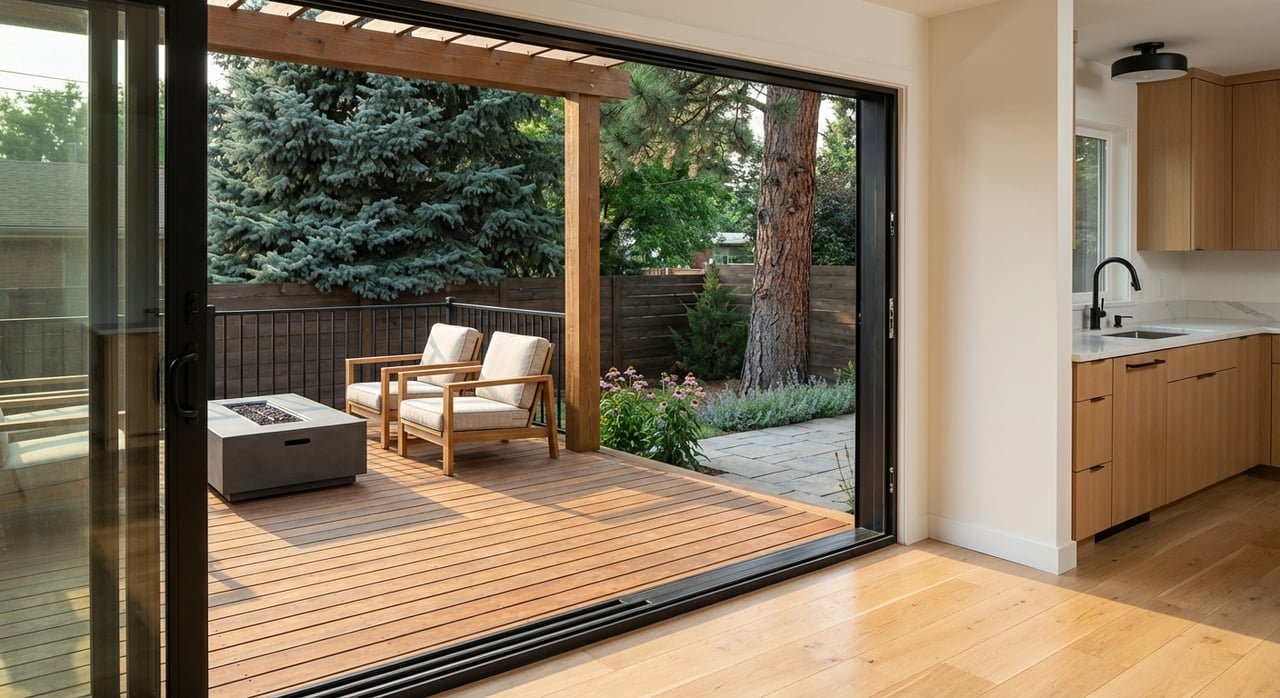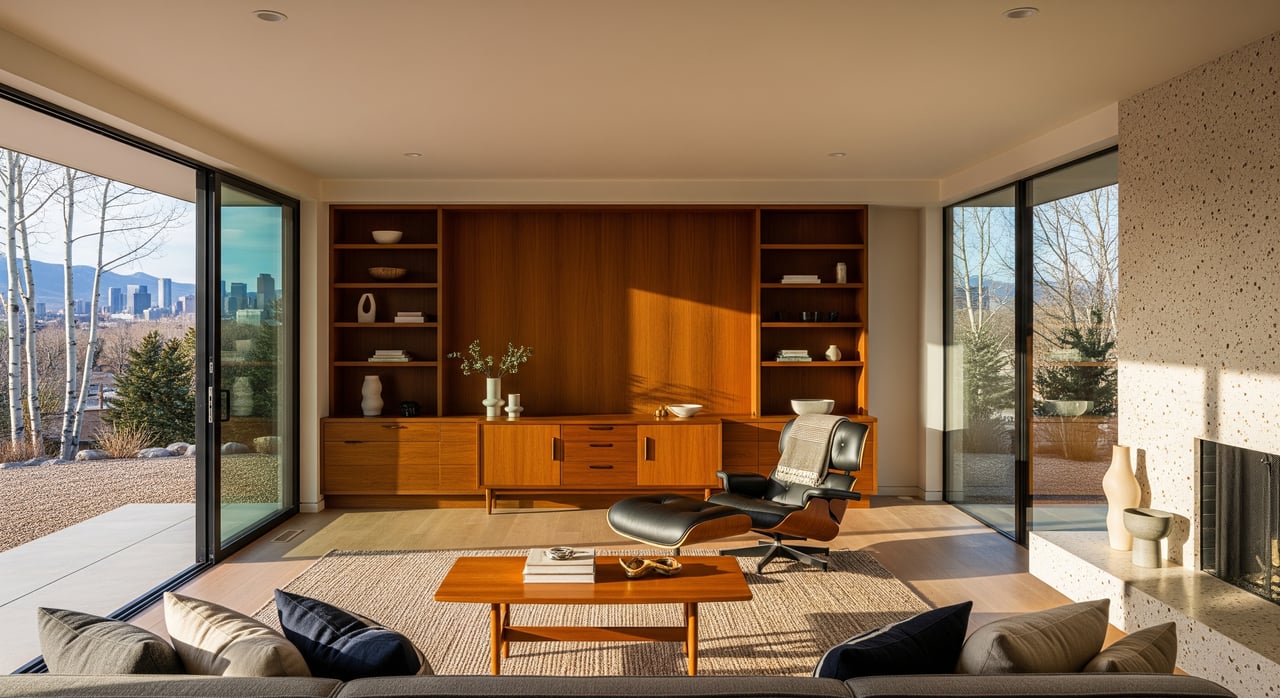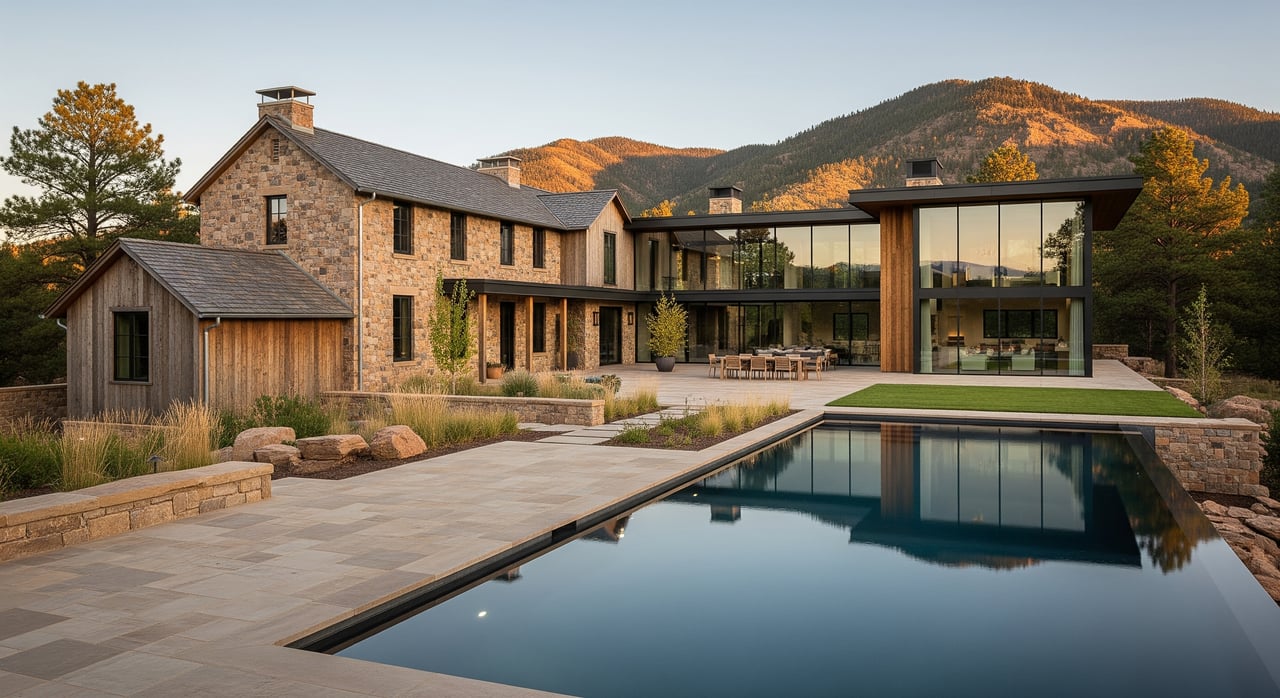
Should you build from the ground up or buy a home and renovate it in Castle Pines? The right path depends on your budget, schedule, and appetite for project risk. In this guide, you’ll compare real cost ranges, permit and HOA timelines, warranties, site factors, and financing options that matter here in Douglas County. By the end, you’ll have a clear framework to choose with confidence. Let’s dive in.
New build vs. renovation basics
A new build gives you customization, energy efficiency, and predictable warranties. Renovation can deliver location and character with a potentially shorter path to move-in. Both require clear scopes, realistic budgets, and time for approvals.
What drives total cost
- Hard costs: labor and materials for construction or renovation.
- Soft costs: design, engineering, permits, inspections, surveys, and utility fees.
- Financing and carrying: construction or renovation loan interest, taxes, insurance, HOA dues, utilities, and temporary housing if needed.
- Contingency: budget 10–20 percent for new builds and 15–25 percent for older-home renovations to cover unknowns.
What sets the timeline
- Design and plans, then HOA/Architectural Review.
- Municipal plan review and permits through the City of Castle Pines or Douglas County.
- Construction, required inspections, and certificate of occupancy.
New build costs in Castle Pines
If you are considering a custom home, total delivered cost often falls in the $200–$400+ per sq ft range, depending on design, finish level, and site work. Lot costs and premium finishes can push the budget higher. Production builders may offer lower base prices per square foot, but upgrades, lot premiums, landscaping, and change orders add up.
Key soft costs to include:
- Architectural design and engineering, typically 5–12 percent of construction cost.
- Geotechnical and civil engineering that increase with slope, rock, or drainage complexity.
- Permits, plan review, and utility taps that can run from thousands to tens of thousands depending on scope.
- Landscaping, irrigation, and exterior features often excluded from base bids.
- Construction interest and other carrying costs through completion.
Set a 10–20 percent contingency. Challenging lots, high customization, or late-stage changes can require more.
Fees and permits to plan for
Plan review times and fee schedules vary by jurisdiction. Confirm current submittal requirements through the City of Castle Pines municipal site or, for county-regulated areas, the Douglas County building department. Permit fees are typically based on project valuation. Utility tap and impact fees are separate and can be significant.
HOA and site considerations
Many Castle Pines neighborhoods require Architectural Review Committee approval. Build in 2–8+ weeks for ARC cycles and possible resubmittals. Design guidelines may specify exterior materials, roof pitches, window types, fencing, and landscaping. Site factors that commonly affect cost and timing include sloped topography, bedrock that complicates excavation, tree protection or removal, and stormwater management.
Sample new build schedule
A typical custom single-family project takes about 9–14 months from lot closing to occupancy, with longer timelines possible for high-end or complex sites. A common sequence looks like this:
- Lot purchase and closing: 2–6 weeks
- Schematic design and builder selection: 4–12 weeks
- HOA/ARC review: 2–8 weeks
- Municipal plan review and permits: 4–12 weeks
- Site work and utilities: 2–6 weeks
- Foundation and basement: 2–4 weeks
- Framing: 4–8 weeks
- Rough mechanical, electrical, and plumbing: 3–6 weeks
- Insulation, drywall, and exterior finishes: 4–8 weeks
- Interior finishes: 6–12 weeks
- Final inspections and punch list: 1–4 weeks
Renovation costs in Castle Pines
Renovation costs depend on scope and conditions. As a starting point:
- Minor remodel or cosmetic updates: $50–$150 per sq ft. A kitchen refresh can range widely based on materials and scope.
- Major remodel or whole-house gut: $150–$350+ per sq ft when structural changes and systems upgrades are included.
Use local bids for accuracy. For cost and resale benchmarks, the annual Remodeling Magazine Cost vs. Value report provides typical regional ranges and ROI trends by project type.
Plan a 15–25 percent contingency for renovations, especially on older homes that can hide asbestos, lead paint, water damage, or code issues. Unknowns are the number-one driver of overruns.
Temporary housing and carrying costs
If you need to vacate during a remodel, add rent, storage, moving, and double utilities to your budget. These costs often equal several additional percentage points of the project.
Sample renovation timelines
- Cosmetic update with limited trades: 4–8 weeks from permit to completion.
- Major kitchen or bath with structural work: 8–16 weeks, including plan review.
- Whole-house remodel or significant addition: 4–8+ months, similar to a smaller new build after demolition.
Approvals and permit timing in Castle Pines
Permit timing depends on scope and workload. Typical ranges:
- Minor remodels and simple trade permits: 1–4 weeks for plan review and permit issuance.
- Major remodels or a new single-family home: 4–12 weeks or longer if revisions are needed.
Remember to add 2–8+ weeks for HOA/ARC review before submitting to the city or county. Always verify current timelines with the City of Castle Pines or the Douglas County building department.
Warranty, inspections, and risk management
New builds typically include tiered warranties. A common structure is 1 year for workmanship, sometimes 2 years for systems, and about 10 years for major structural defects. You can review typical coverage structures through providers like 2-10 Home Buyers Warranty. Verify who backs the warranty, the claim process, and start dates.
For renovations, contractor workmanship warranties vary. Manufacturer warranties cover items like roofing, windows, and appliances. Negotiate warranties and require proof of licensing, insurance, a clear scope of work, payment schedule, and lien waivers.
Whether you build or renovate, consider third-party inspections. Staged inspections at foundation, framing, pre-drywall, and final can catch issues early. Permit inspections are mandatory. Do not skip final inspections since they affect insurance and resale.
Wildfire and environmental factors
Castle Pines sits within Colorado’s Wildland-Urban Interface. You may need defensible-space planning and ember-resistant materials. The Colorado State Forest Service provides wildfire mitigation guidance that can shape both exterior design and landscaping choices. Tree protection, removal permits, grading, and stormwater controls can also add time and cost.
Financing and cash flow options
For new construction, buyers often use construction-to-permanent loans that fund draws during the build and convert to a mortgage at completion. These loans usually carry higher rates during construction and interest-only payments on drawn amounts.
For renovations, common options include:
- The federal FHA 203(k) renovation loan, which bundles eligible rehab costs into one mortgage.
- Fannie Mae’s HomeStyle Renovation program, which finances improvements based on after-repair value.
- Home equity loans, HELOCs, or cash-out refinancing if you have available equity.
To compare total cost of ownership over 5–10 years, model two scenarios: lot plus new build and all related soft costs and carrying costs, versus purchase plus renovation with contingency, temporary housing, and financing costs. Add taxes, insurance, HOA dues, utilities, and maintenance to both. This side-by-side view helps clarify total cash outlay and timeline.
Castle Pines decision guide
Choose a new build if you want:
- High customization and energy efficiency.
- Predictable warranties and a clean maintenance slate.
- A schedule that aligns with design and permit lead times.
Choose a renovation if you want:
- A faster path to move-in for a light or medium scope.
- A preferred street or established setting with mature trees.
- Potential value by updating an older home in a strong location.
In either case, prioritize scope clarity, a realistic contingency, and clear approval timelines. Confirm HOA requirements, geotechnical needs, and any utility or tap constraints before committing.
Next steps in Castle Pines
- Confirm HOA/ARC rules, required plan sets, and review cycles.
- Check current permit submittal requirements with the City of Castle Pines or Douglas County building.
- Get 2–3 comparable bids from Castle Pines builders or remodelers with similar projects and lots.
- Ask for warranty language in writing and review start dates and exclusions.
- Stage independent inspections during key milestones.
- Build timeline buffers for HOA review, municipal plan check, utilities, and seasonal weather.
- Budget for temporary housing if your renovation requires you to move out.
If you want a contractor-backed view of scope, budget, and timing for your Castle Pines plan, connect with Jeff Piquette for a practical, local consultation.
FAQs
How much does a new custom home cost in Castle Pines?
- Many custom builds land around $200–$400+ per sq ft, plus lot cost, soft costs, and site work. Always use local bids and include a 10–20 percent contingency.
How long do Castle Pines permits take for builds or remodels?
- Minor remodels often see permits in 1–4 weeks. Major remodels or new homes typically take 4–12 weeks after a complete submittal, plus 2–8+ weeks for HOA/ARC review.
What hidden costs can affect a renovation budget?
- Older homes can reveal asbestos, lead paint, water damage, outdated wiring or plumbing, and structural fixes. These add cost and time, so plan a 15–25 percent contingency.
Do new builds come with warranties in Colorado?
- Builders commonly offer 1 year on workmanship, sometimes 2 years on systems, and about 10 years on structural defects. See typical structures via 2-10 Home Buyers Warranty.
What financing helps cover renovations?
- Options include the FHA 203(k) loan, Fannie Mae’s HomeStyle Renovation program, home equity loans or HELOCs, and cash-out refinancing. Consult lenders on requirements and timelines.