Thinking about selling your Denver home and wondering which fixes will actually move the needle? With more inventory on the market and buyers taking their time, presentation and perceived condition matter more than ever. You want updates that protect your price, help your home shine online, and do not waste weeks or cash. This guide shows you which pre-listing projects typically pay off in Denver, how to prioritize them by your timeline and price point, and where a concierge-style approach can de-risk the work. Let’s dive in.
Why pre-listing prep matters in Denver now
Recent Denver coverage points to a market that has cooled from the pandemic peak, with more active listings and longer days to pending. Local reporting notes the metro market “continues to lose a little steam,” which means buyers have more choices and sellers face stiffer competition than in 2020 to 2022. You can see that shift in pricing too. Zillow’s Denver Home Value Index was $524,187 as of January 31, 2026, reflecting modest softening or flat performance in late 2025 compared with the prior two years. Preparing your home to show as clean, neutral, and move-in ready can shorten time on market and protect your bottom line.
- Read more on current conditions in the Denver Gazette’s market snapshot.
- Review the Zillow Denver home values page for the latest ZHVI context.
Projects that usually pay off in Denver
Denver’s Cost vs. Value data provides reliable, city-level guidance on what returns the most at resale. The 2024 figures show several exterior and targeted interior updates with standout ROI.
Curb appeal upgrades with standout ROI
Small, visible improvements often deliver outsize returns because they shape first impressions and photos.
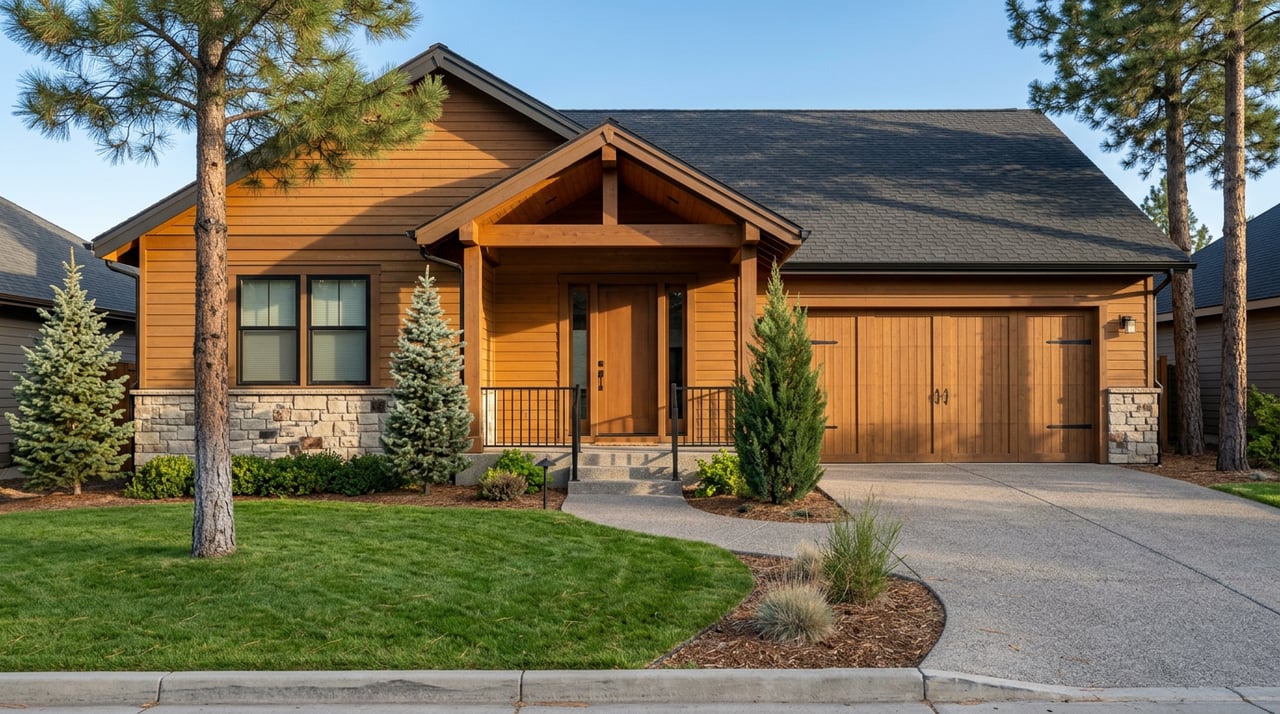
- Garage door replacement. Typical job cost is about $4,400 to $4,700 in Denver, and the resale value recouped is roughly 174 to 216 percent. That is a rare case where you can more than double your money because buyers love the fresh look and smooth operation.
- Steel entry door replacement. At about $2,240 to $2,360, the recoup is roughly 172 to 188 percent. It is a low-cost, high-impact refresh at the literal point of entry.
- Manufactured stone veneer. Around $11,000 to $11,300, with many Denver measures showing more than 100 percent recoup. Use it to elevate a dated facade or highlight an entry massing.
All figures above are from the 2024 Denver table in Remodeling’s Cost vs. Value report. You can explore the full dataset here: Cost vs. Value — Denver.
Targeted interior updates buyers notice
- Minor kitchen refresh. Denver’s midrange “minor” kitchen scope runs about $25,000 to $27,500 and typically recoups 82 to 96 percent. Think cabinet paint or refacing, new counters and hardware, lighting, and a clean backsplash. It photographs beautifully and resets buyer perception without a full gut.
- Midrange bathroom refresh. Figures generally show mid-70 percent recoup. New vanity, fixtures, grout and caulk, and fresh surfaces go a long way for the spend.
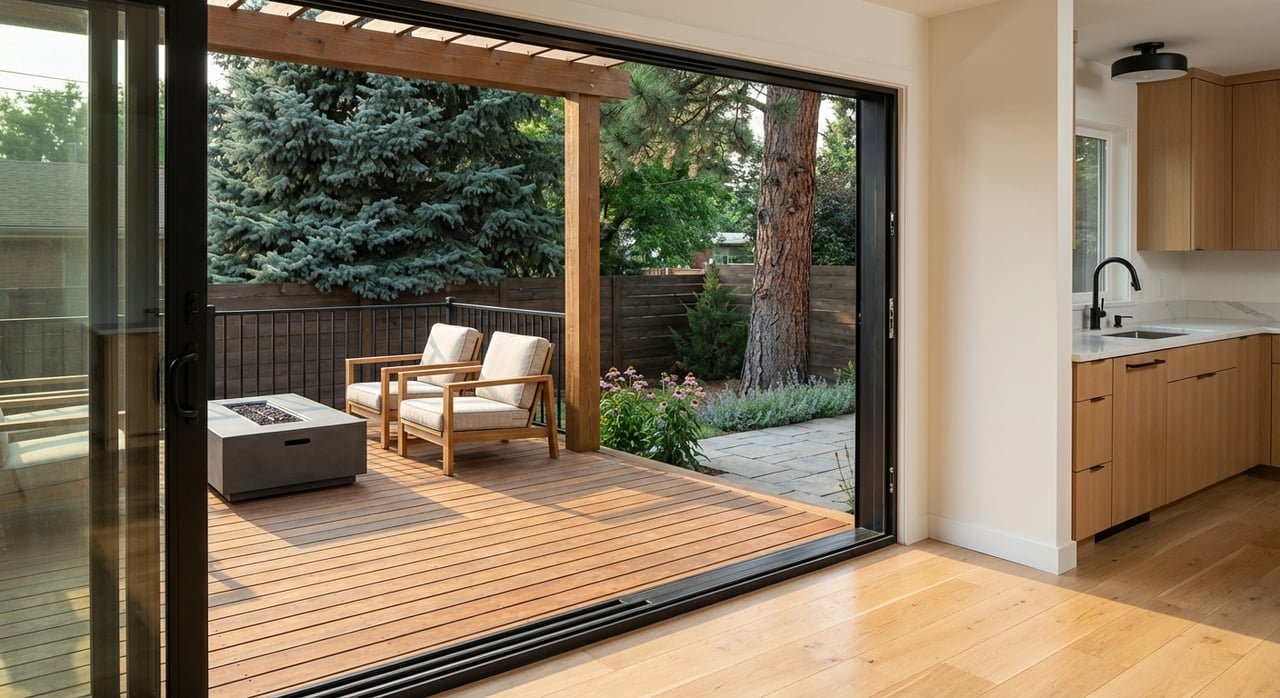
- Flooring tune-ups. Refinishing hardwoods is often $2 to $8 per square foot and can be done quickly. Fresh floors make photos pop and help rooms read larger and lighter.
For ROI ranges, see Cost vs. Value — Denver. For flooring costs, see this overview of hardwood refinishing costs.
Projects to think twice about
- Full luxury gut remodels before listing often recoup less than targeted updates. As project cost rises, the percentage recoup usually falls, unless your immediate comps support the upgrade level.
- HVAC conversions. Heat pump or similar system swaps can be attractive for buyers, but Cost vs. Value shows Denver recoup in the mid-60 percent range. Consider them when the existing system is at end of life or when efficiency is a core selling point.
- Siding replacement. Fiber-cement siding can recoup roughly 74 to 88 percent in Denver. It is smart when condition is poor and curb appeal is suffering, but it is rarely the first dollar you should spend when you have limited time or budget.
Reference the ROI ranges in Cost vs. Value — Denver.
Prioritize by your timeline
Your listing date should set the plan. Here is how to focus if you need to move quickly or if you have time to do more.
2 to 6 weeks: quick wins
- Deep clean, declutter, and stage key rooms. Industry summaries of NAR’s staging data show staging helps buyers visualize the home and can shorten time on market, with some agents reporting modest gains in offer price. See the NAR staging summary.
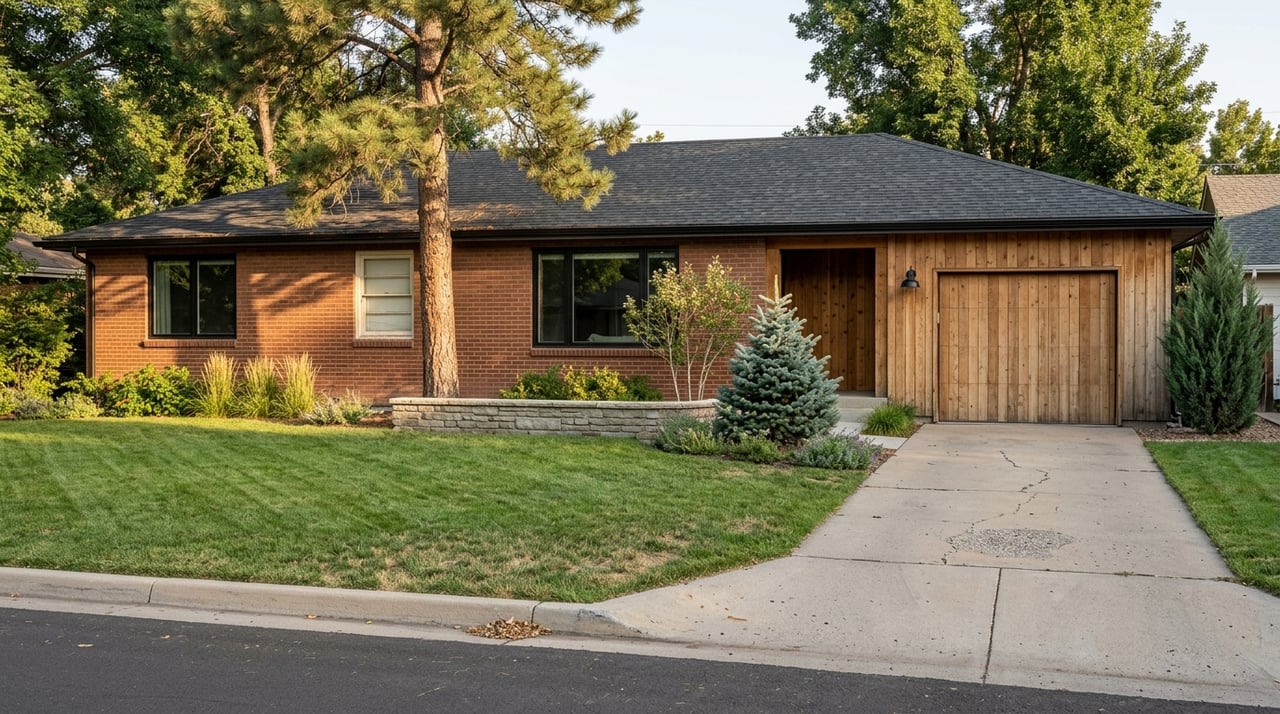
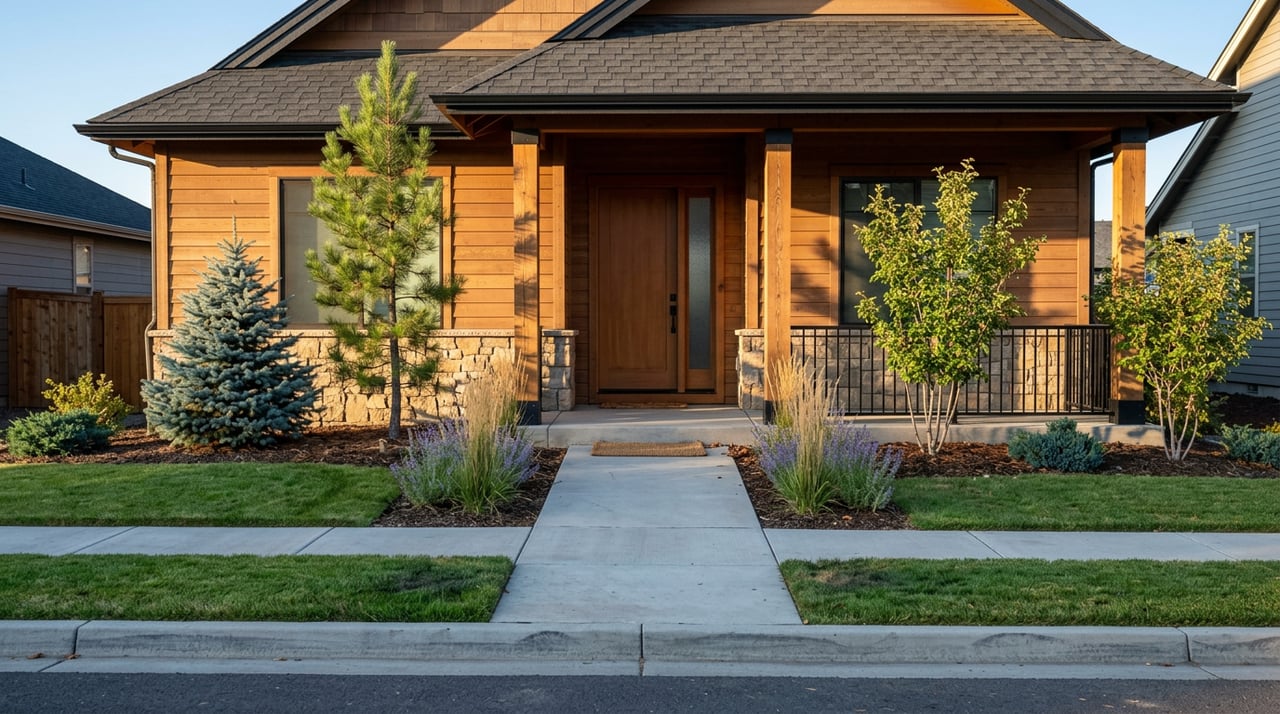
- Fast curb appeal touches. Pressure wash, mulch, tidy shrubs, update exterior lighting, and refresh the mailbox or house numbers. If your garage or entry door looks rough, replace it. Those are among Denver’s top ROI items.
- Address obvious safety and mechanical issues. Fix leaks, broken panes, and electrical hazards. A pre-listing inspection can create a punch list so you avoid inspection-day renegotiations. See a Denver-focused overview of pre-listing update essentials.
1 to 3 months: best balance of impact and speed
- Minor kitchen refresh. Cabinet paint or refacing, counters, hardware, lighting, and backsplash. Strong ROI in Denver and usually manageable in a few weeks.
- Bathroom refresh. New vanity, fixtures, fresh grout and caulk, neutral paint.
- Flooring tune-up. Refinish existing hardwood or install durable LVP where floors are in poor shape. See typical refinishing costs and timelines.
6 to 12 months: strategic reposition or higher-end targets
- Consider stone veneer accents, siding if condition demands it, higher-end kitchen replacement, or window upgrades. As costs climb, recoup percentage tends to drop, so anchor every decision to local comps. Denver’s Cost vs. Value trends back up a “quality over luxury” approach for resale-focused work.
Plan by price band and neighborhood context
Every property and micro-market behaves a bit differently, but these general patterns hold in Denver.
Entry or affordable tier
Aim for clean, neutral, and functional. Fresh paint, a cosmetically refreshed kitchen and bath, flooring touch-ups, and tight curb appeal usually deliver the best marginal dollar. That aligns with Denver’s Cost vs. Value results for exterior items and minor kitchens.
Mid-market
Prioritize a strong kitchen and primary bath refresh, solid flooring, and standout curb appeal. Combine with staging and professional photos to compete against well-presented listings.
Luxury or upper-end
Buyers expect high finish levels and good flow. Selective, well-designed upgrades can help, but do not over-improve beyond nearby comps. The luxury segment often follows its own timeline and has more nuanced demand patterns.
Central vs. older Denver neighborhoods
In central neighborhoods like Cherry Creek, Washington Park, Highlands, and parts of Capitol Hill, buyers often compare many updated listings online, so curb appeal and kitchen or bath condition carry real weight. In older areas with more entry-level stock, modest cosmetic fixes can make a listing stand out without large additions. For broad trend context, review Zillow’s Denver data and see local before-and-after examples in Denver-focused project spotlights.
Concierge-style programs: how they help and what to watch
A concierge approach bundles scoping, contractor coordination, scheduling, and finishes under a single point of contact. Some providers offer payment at closing, which reduces upfront cash needs and can include workmanship warranties. That can be ideal when speed, quality control, and risk management matter. See how these models operate in the Denver market on Curbio’s program overview.
Before you sign, get clarity on fees, repayment terms, contractor vetting, permits, and what is included. Always compare the concierge estimate to 2 or 3 local bids for the same scope. For any permit-triggering work, review the City and County of Denver’s e-permits FAQs so your schedule accounts for plan review and inspections.
Quick Denver cost and timeline reference
Use these ballpark figures to frame your plan. Actual bids vary by scope, finish level, and lead times.
- Garage door replacement. About $4,000 to $5,000. Denver Cost vs. Value shows roughly 175 to 195 percent recoup. Install is often 1 to 3 days plus ordering. Source: Cost vs. Value — Denver.
- Steel entry door. About $2,000 to $3,000 with roughly 170 to 188 percent recoup. Install in 1 to 3 days. Source: Cost vs. Value — Denver.
- Minor kitchen refresh. $25,000 to $28,000 with 82 to 96 percent recoup. Plan 2 to 8 weeks depending on lead times. Sources: Cost vs. Value — Denver and HomeAdvisor kitchen timelines.
- Midrange bathroom refresh. $20,000 to $25,000 with roughly 72 to 75 percent recoup. Typical construction is 2 to 4 weeks. Source: Cost vs. Value — Denver.
- Manufactured stone veneer. Around $11,000 with many Denver measures showing over 100 percent recoup. Plan 1 to 3 weeks. Source: Cost vs. Value — Denver.
- Staging. Basic packages often range $800 to $3,000 for key rooms. Industry summaries of NAR data report faster sales and modest price lift potential. Source: NAR staging summary.
Step-by-step next moves
- Talk to a local listing agent and get a data-backed CMA. You need a price and finish strategy tied to your micro-market and timing. Local coverage of Denver’s shifting conditions underscores why strategy matters now.
- Order a pre-listing inspection and fix safety and major systems first. Then focus on high-ROI cosmetic updates like doors, curb appeal, paint, and staging. See a Denver-focused pre-listing update guide.
- Check permits early for any structural, electrical, plumbing, window, or exterior changes. Use the City’s e-permits FAQs to map the steps and avoid delays.
- Compare 2 to 3 contractor bids for scopes beyond paint and simple swaps. If you prefer a turnkey path, request a concierge proposal and confirm the exact repayment terms and inclusions.
- Stage and photograph as soon as work wraps. NAR’s staging data shows better buyer engagement and faster movement, which can protect your days on market and price.
When inventory is up and buyers have choices, targeted, cost-effective updates usually beat big remodels before listing. If you want a contractor-backed plan and a no-upfront-cost concierge option to manage repairs and staging, reach out to Jeff Piquette for a streamlined, data-driven prep strategy.
FAQs
What pre-listing renovation has the best ROI in Denver?
- Recent Cost vs. Value data shows curb appeal swaps like garage and steel entry doors often recoup more than 100 percent in Denver, with minor kitchen refreshes close behind at roughly 82 to 96 percent. See the full ranges in Cost vs. Value — Denver.
Is staging worth it for a Denver sale in 2026?
- Yes, staging helps buyers visualize the home and can shorten time on market, with a portion of agents reporting modest price improvements, according to NAR’s 2023 findings summarized here: NAR staging summary.
How much should I spend before listing my Denver home?
- Let your comps, timeline, and condition guide you. In many cases, stick to high-ROI items like doors, minor kitchen or bath refreshes, and flooring tune-ups, as supported by Cost vs. Value — Denver, and stage the key rooms.
Do I need permits for pre-listing work in Denver?
- Many cosmetic updates do not, but structural, electrical, plumbing, window, and certain exterior scopes often do. Confirm requirements through the City and County of Denver’s e-permits FAQs.
How long does a minor kitchen refresh take before listing?
- Plan roughly 2 to 8 weeks depending on materials and lead times, which aligns with common project timelines noted in HomeAdvisor’s kitchen guidance and local experience.
What is a concierge program and how can it help me sell?
- A concierge program coordinates scope, vetted contractors, scheduling, and finishes, and may allow payment at closing. It can speed prep and reduce upfront cash needs, as outlined in Curbio’s Denver overview; always compare fees and terms to local bids.